Data collection
Huge quantities of text are gathered from sources such as websites, books and code. Selection and cleaning influence what a model can learn, how well it performs and which biases it may reproduce.
Room 6, the production line
A modern language model is not written line by line by programmers. It passes through a sequence of stages, more like a production line, involving data, compute, training, evaluation and deployment. Each stage adds capabilities and introduces trade-offs.
Guiding questionWhat does it take for an LLM to produce an answer?
Explore in 3D →Interactive process · Room 6
The seven exhibits in this room become one connected process. Run each stage and inspect what goes in, what changes and which limitation remains.
Teaching simulation: the sequence follows the seven exhibits in Room 6. The small probabilities, token examples and responses shown here are curatorial examples. No real LLM is trained in your browser.
Huge quantities of text are gathered from sources such as websites, books and code. Selection and cleaning influence what a model can learn, how well it performs and which biases it may reproduce.
Text is split into smaller units called tokens, which may be whole words or pieces of words. The model processes numerical identifiers rather than written characters directly.
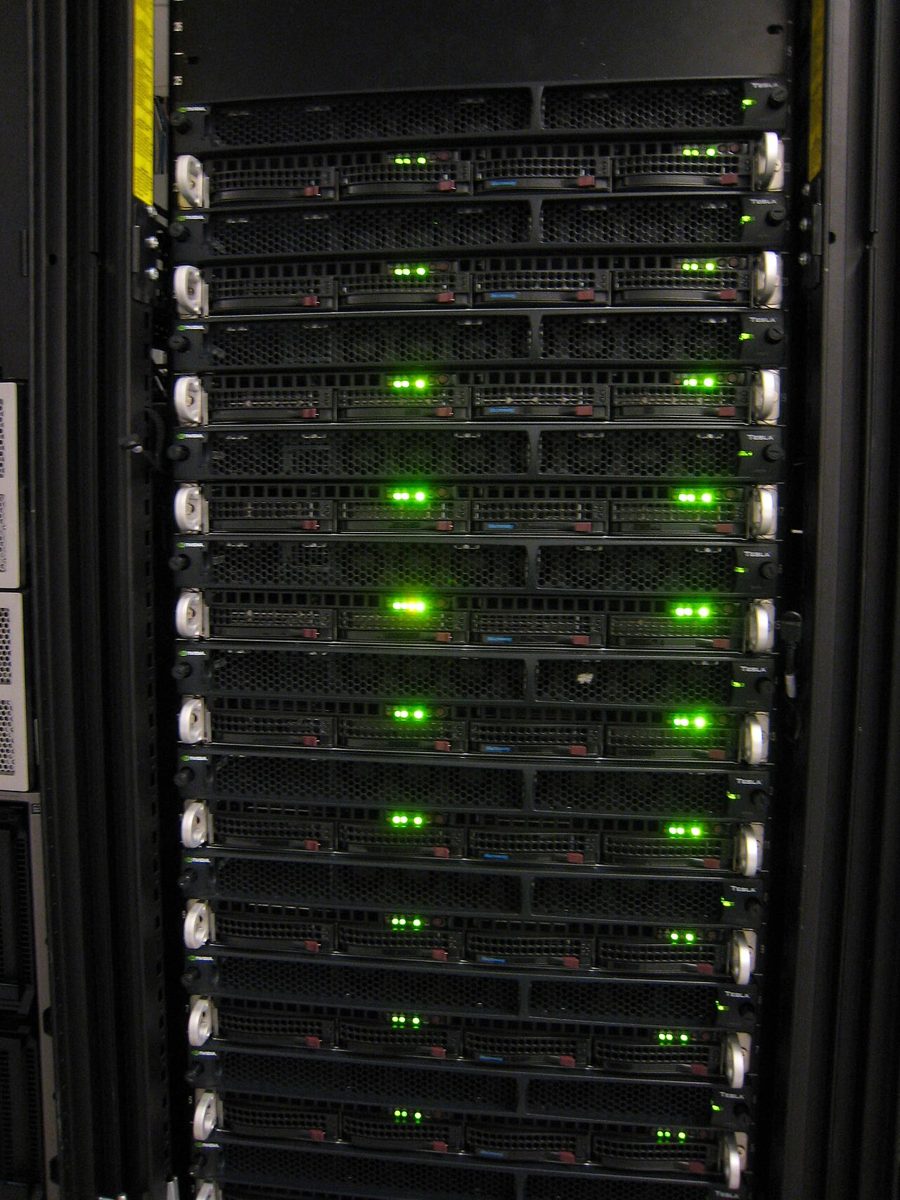
The model repeatedly learns to predict the next token across enormous text corpora and large amounts of computing. This stage gives it broad language ability and general patterns, but not necessarily assistant-like behaviour.
With examples of instructions and high-quality answers, the model is trained to follow requests and behave more like an assistant.
People, and sometimes other models, evaluate answers. Training then pushes the model toward responses judged more helpful, honest or safe. A well-known approach is reinforcement learning from human feedback (RLHF).
Before release, models are evaluated for errors, harmful behaviour and misuse. Testing and monitoring can continue after deployment.
When you type a prompt, a basic language model does not retrieve a ready-made answer from a database. It generates a response token by token, although some modern systems can also call search engines, tools or external knowledge sources.
Before you move on
What the user experiences is the result of an entire production chain. That matters when judging cost, behaviour, safety, rights and environmental impact.