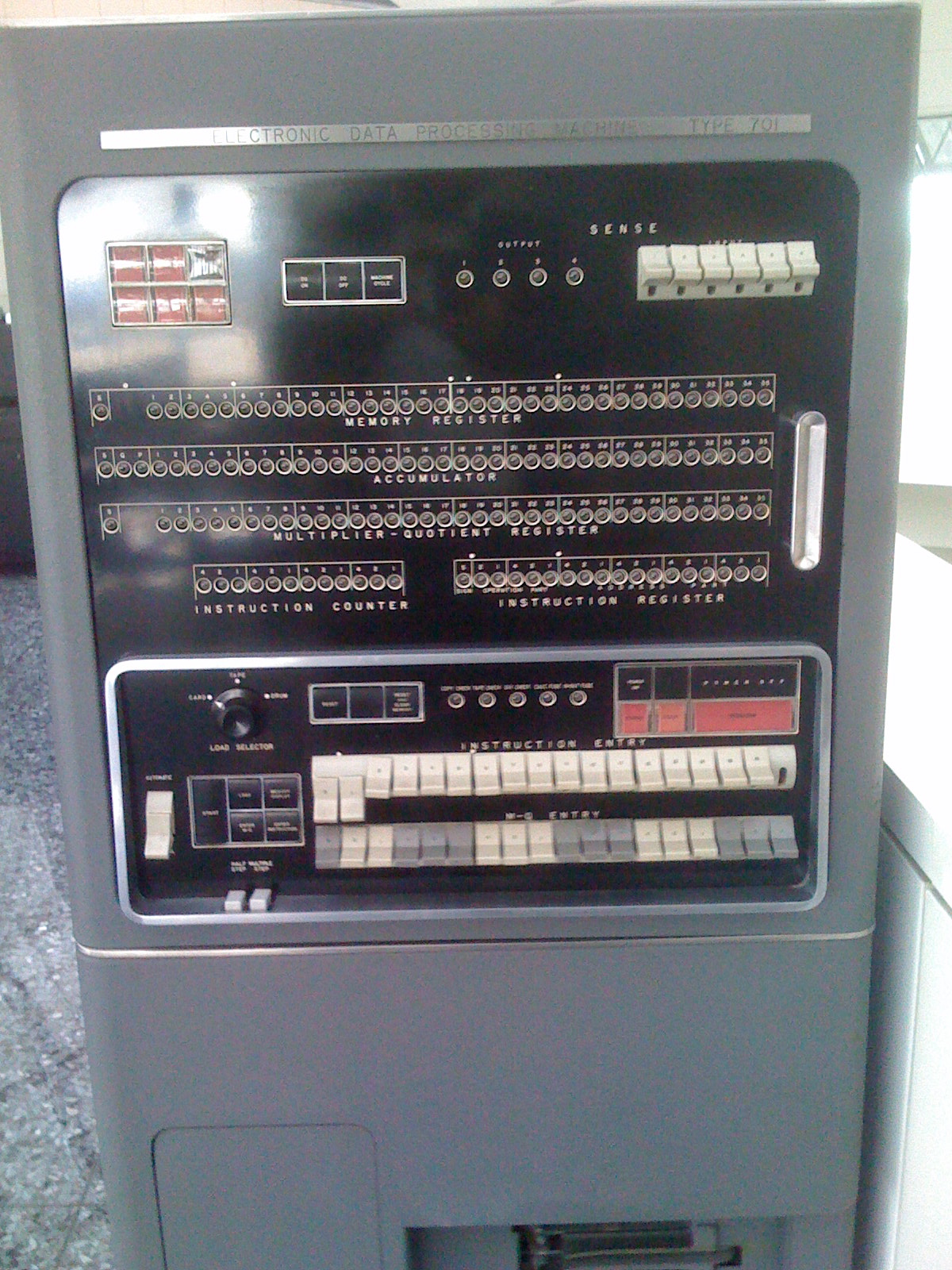
The image could not load. You can open its source from the caption.
The term “machine learning”
IBM researcher Arthur Samuel develops a checkers program that improves by playing repeatedly and uses the term “machine learning”.
Room 3, 1959–today
In machine learning, we do not write every rule. We give the machine examples and let it find patterns. Whatever is present in those examples, useful or distorted, can pass into the model.
Guiding questionHow does a machine learn from examples?
Explore in 3D →The image could not load. You can open its source from the caption.
IBM researcher Arthur Samuel develops a checkers program that improves by playing repeatedly and uses the term “machine learning”.
Fei-Fei Li’s team creates a huge database of millions of labelled images. It becomes clear that the quantity and quality of data can matter as much as the algorithm.
Joy Buolamwini and Timnit Gebru show that commercial face-analysis systems make far more errors for darker-skinned women than for lighter-skinned men. The result exposes the consequences of unrepresentative data and uneven system performance.
Reports reveal that Amazon dropped an experimental résumé-ranking system after it had learned from historical data to disadvantage women applicants.

The image could not load. You can open its source from the caption.
In 2004 no autonomous vehicle finishes the desert race. In 2005 five do, and Stanford’s Stanley wins.
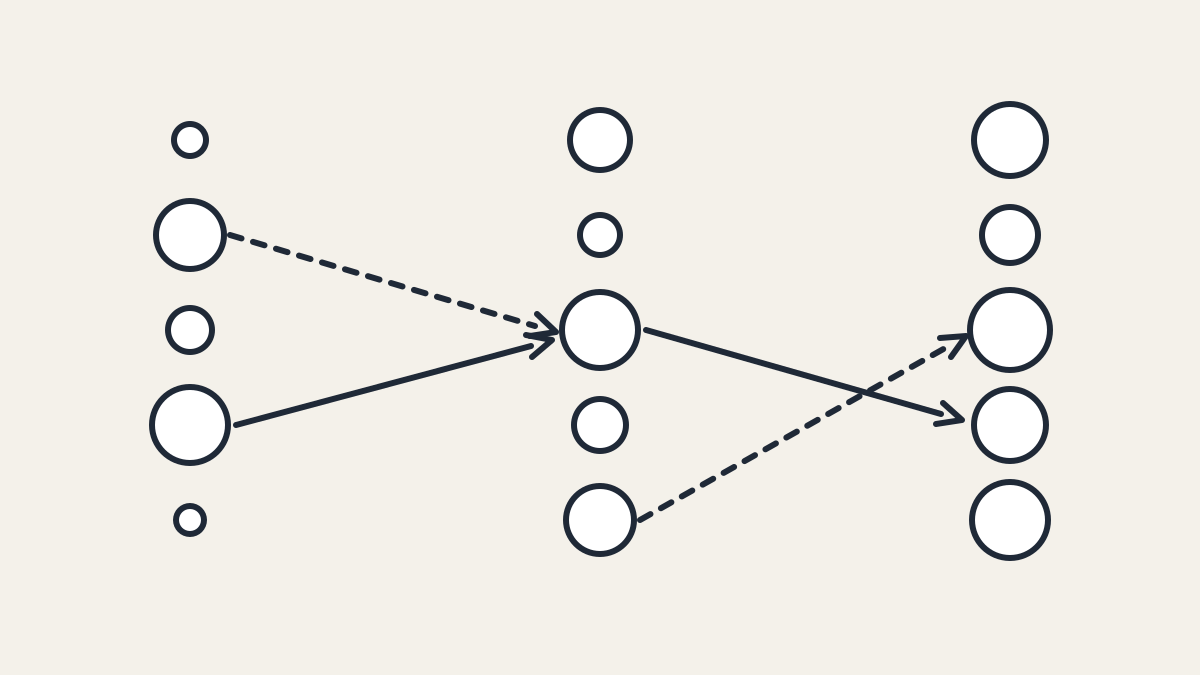
A genetic algorithm searches for solutions by selecting, combining and randomly changing candidate solutions, according to a measure of fitness.
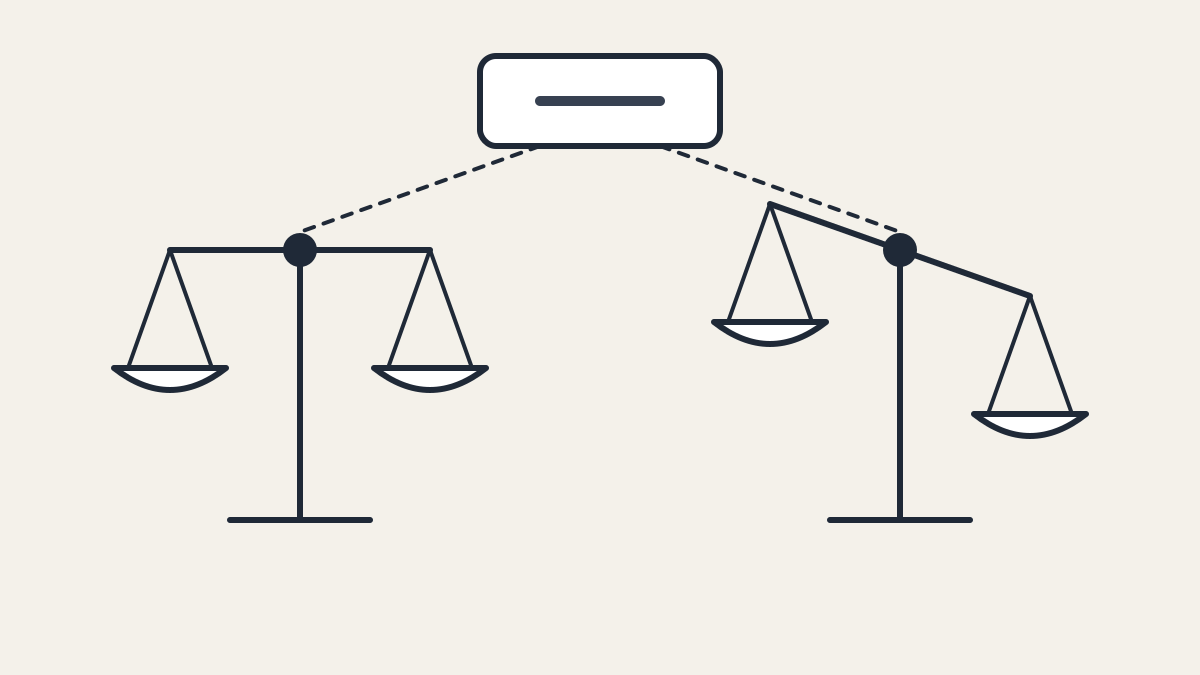
In 2016 a journalistic investigation and the company behind a risk assessment tool disagreed on whether the tool was fair, using different measures.
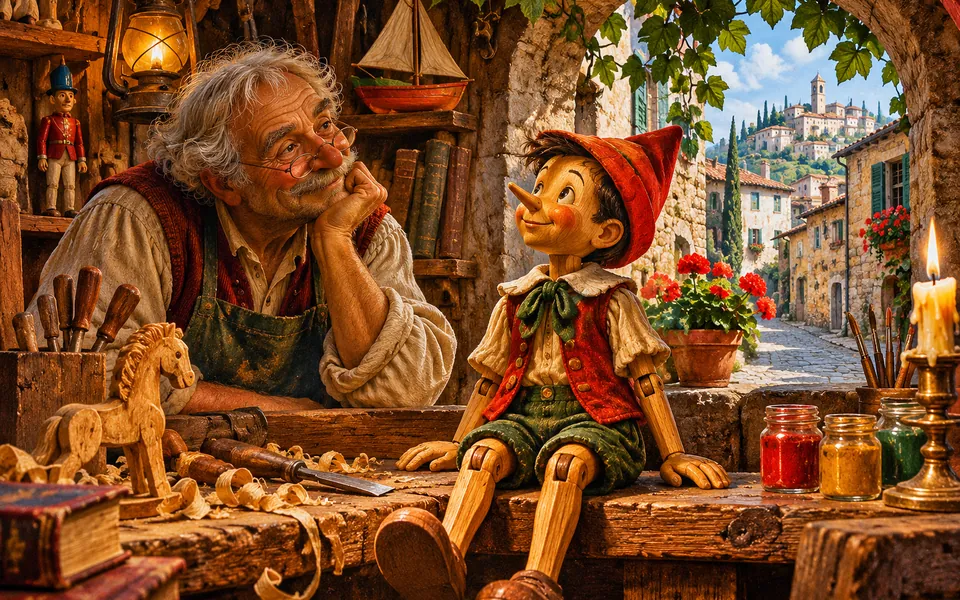
Carlo Collodi's Pinocchio (1881–1883) is a piece of wood that talks, runs away, makes mistakes and finally becomes a real boy. The tale is about learning and responsibility. It describes neither a robot nor machine learning.
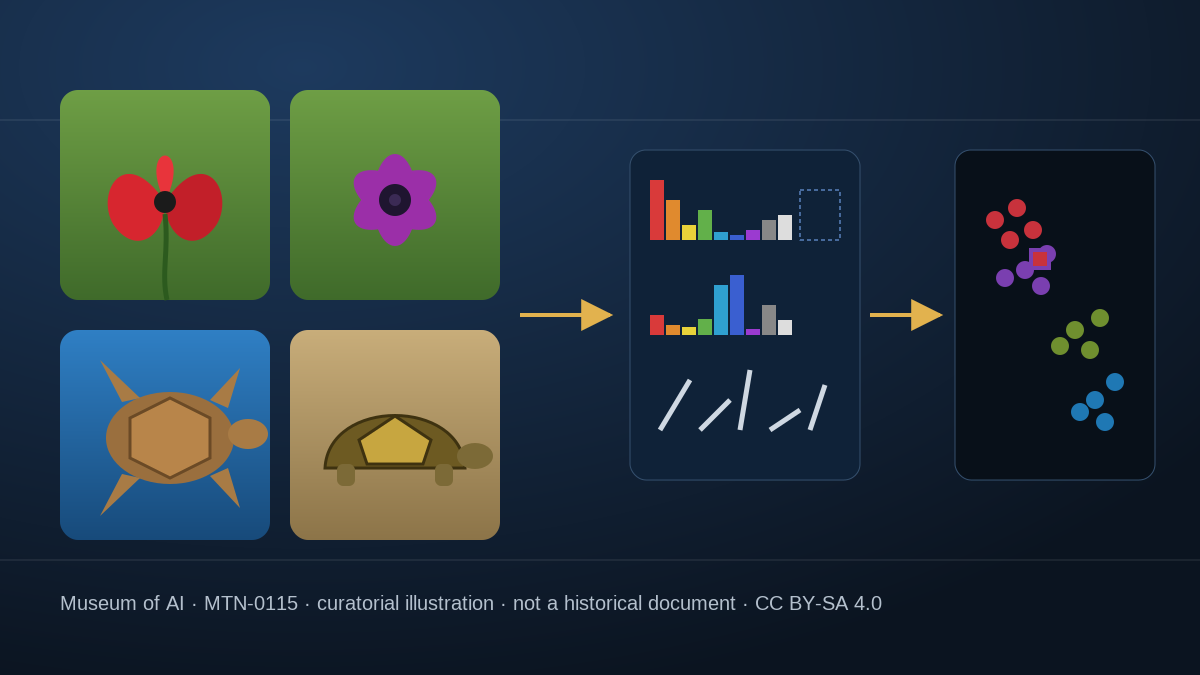
Since 2017 iNaturalist has suggested plant and animal species from photographs using computer vision. Here you train a small classifier with real photographs of Greek nature and see where it succeeds and where it gets confused.
Before you move on
Every model learns from material someone selected and against an objective someone defined. Data quality, labels and bias are therefore not side issues; they are part of the learning mechanism itself.