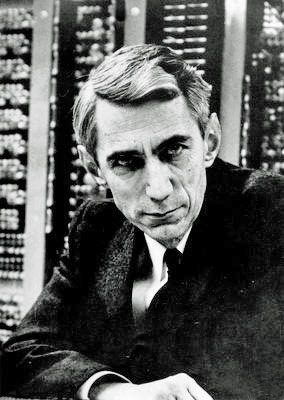
Shannon measures prediction
Claude Shannon shows that text that resembles English can be generated by measuring which symbols or words tend to follow others.
Room 5, 1939–2022
At its core, a language model does something simple: it predicts what comes next. The idea is old. What changed is scale: how much text the model learns from and how much context it can use.
Guiding questionHow can human language become a subject of computation?
Explore in 3D →Claude Shannon shows that text that resembles English can be generated by measuring which symbols or words tend to follow others.
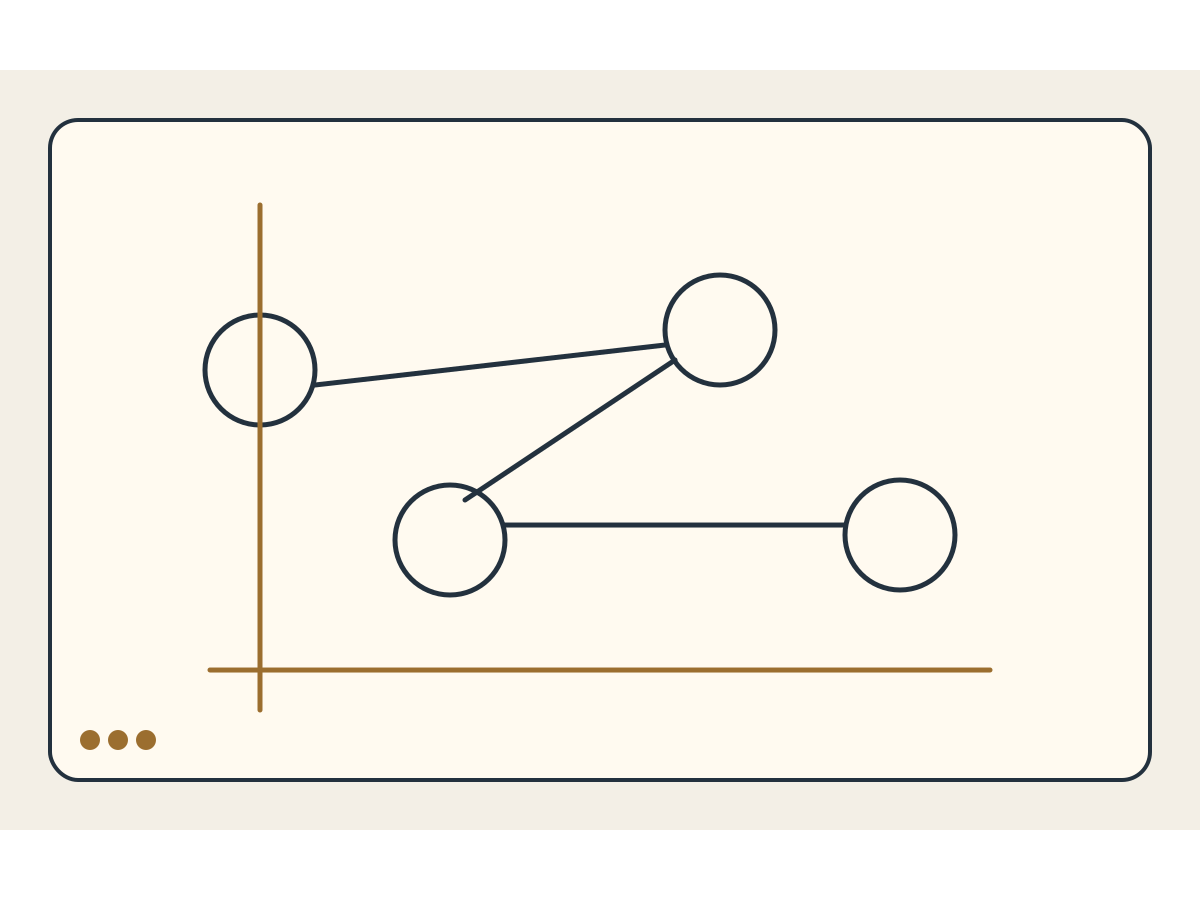
With word2vec, each word can be represented as a point in a numerical space. Words used in similar contexts tend to end up close together.
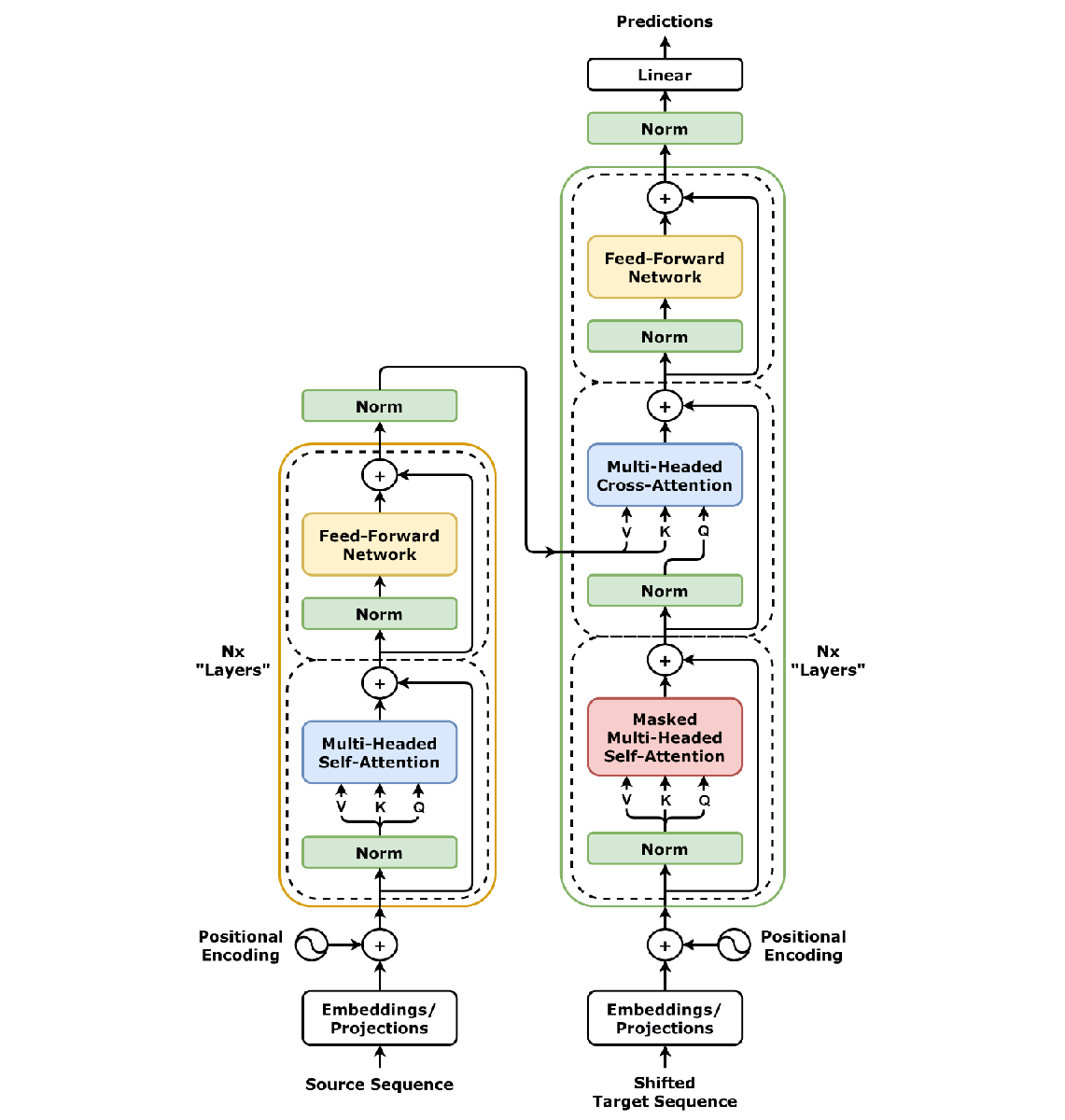
Google researchers publish “Attention Is All You Need”. The attention mechanism allows the model to relate each token to other tokens in the sequence.
OpenAI and Google show that a model first pretrained on a very large body of text can later be adapted to many different tasks.
With 175 billion parameters, the model can write text, translate and answer questions, often from only a few examples in the prompt.
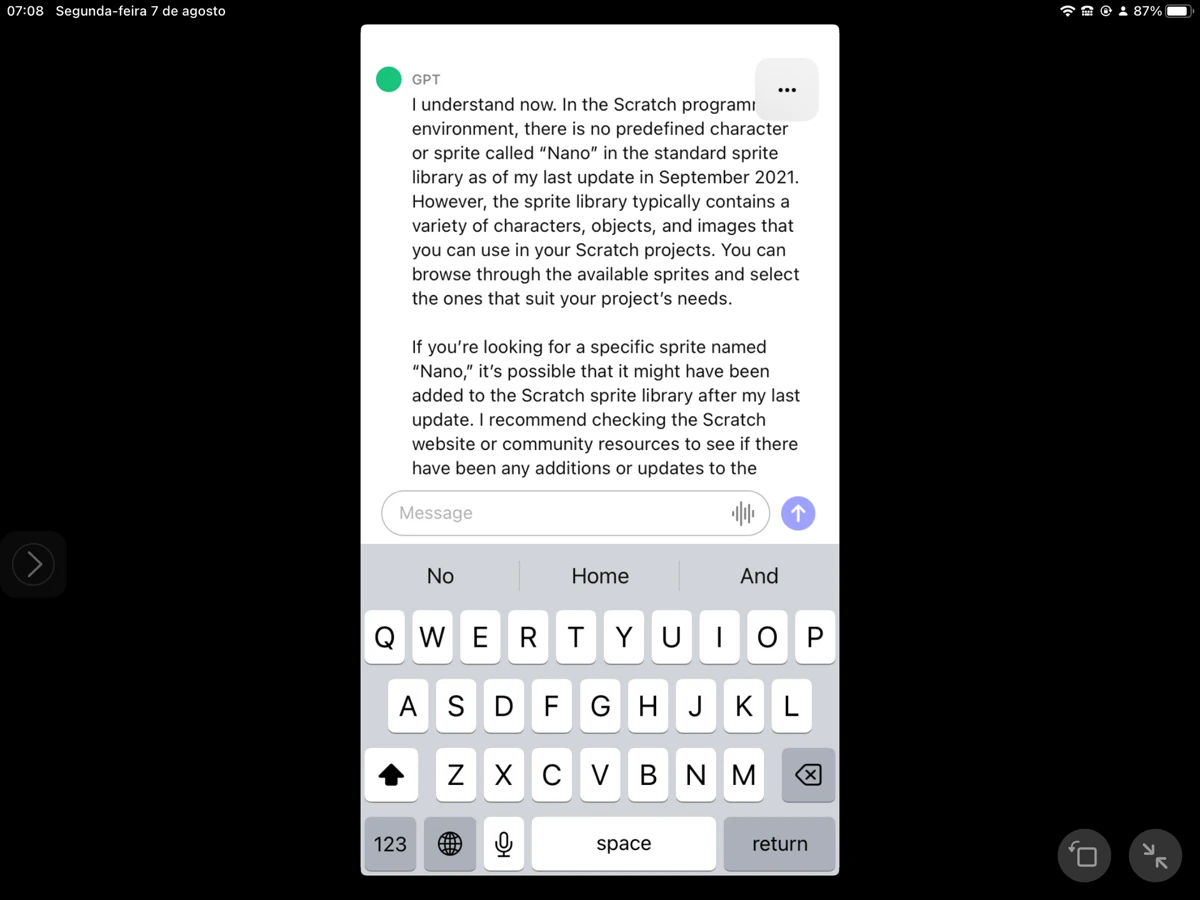
On 30 November 2022, a conversational language-model interface is released publicly as a research preview. Generative AI begins to enter everyday life at unprecedented scale.
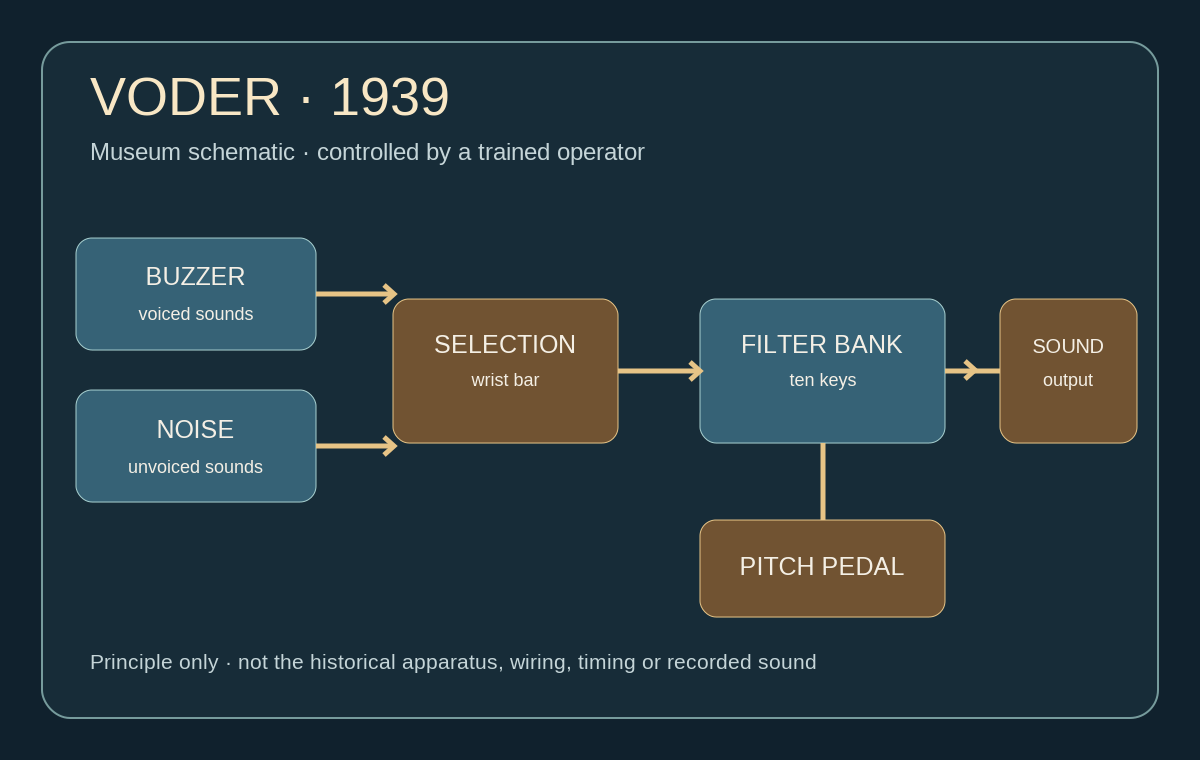
An operator produces speech by playing ten keys and a pedal. The machine makes the voice; the language stays with the human.

In Gulliver's Travels (1726) a professor at the Academy of Lagado turns the handles of a wooden frame full of words and hopes that all books can be written this way. The scene is satire. It describes neither a computer nor a language model.
Before you move on
Modern language models are trained largely by predicting elements of language from context. At enormous scale, that simple principle produced striking linguistic capabilities without, by itself, settling the question of what counts as understanding.